Winners 2026

On behalf of the entire team, we would like to thank you for all the great submissions.

Our jury chose the 20 projects from a total of 327 submissions from 44 countries using a points system. This year’s open call took place under the theme ‘Anthropocene: Hybrid Realities’. The selected photographers stood out for their critical explorations of the hybrid realities of the Anthropocene, revealing the fragile, shifting boundaries between the organic and the artificial, control and collapse, human intervention and ecological vulnerability.

These are the 20 winners, from 14 different countries listed in alphabetical order by last name:

Ludovica Bastianini (Italy), Mark Chehodaiev (Austria), Sam Darby (USA), Enikő Dorogi (Hungary), Benito Drebing (Germany), Beihua Guo (USA), Peter Hauser (Switzerland), Joel Jimenez (Spain), Seunggu Kim (Republic of Korea), Katarina Kolenc (Slovenia), Kush Kukreja (India), Mark Martinko (Hungary), Nicola Muirhead (Bermuda), Sophie Neumann (Austria), Vera Nowottny (Germany), Tanja Oberbramberger (Austria), Arne Piepke (Germany), Ed Sykes (United Kingdom), Joanna Tochman (Poland), Olivier Tuinier (Netherlands)

GRAND PRIX WINNER: BEIHUA GUO (USA)

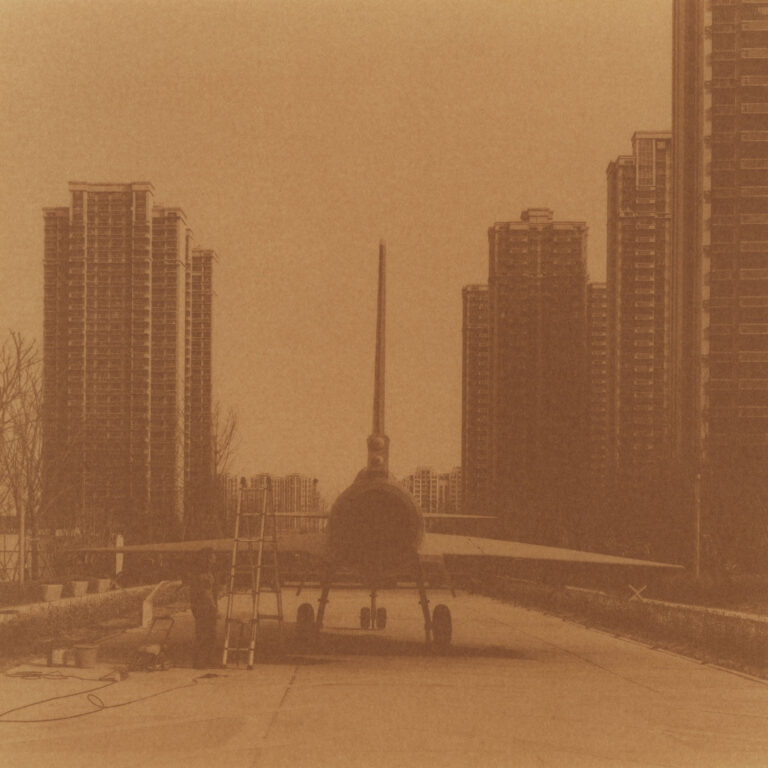
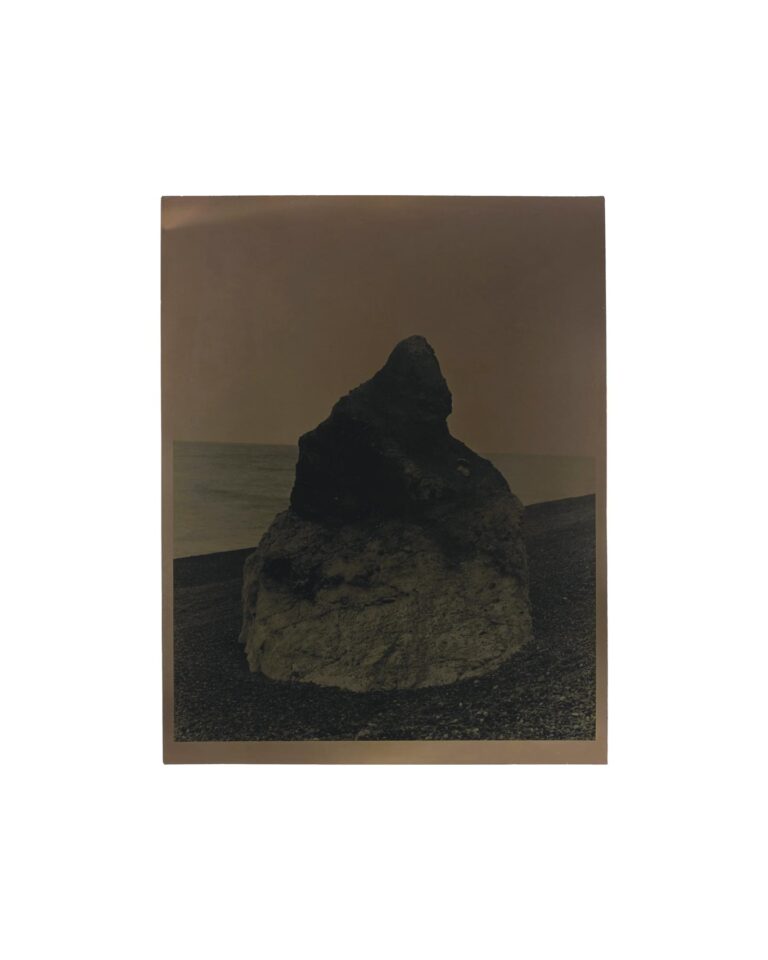
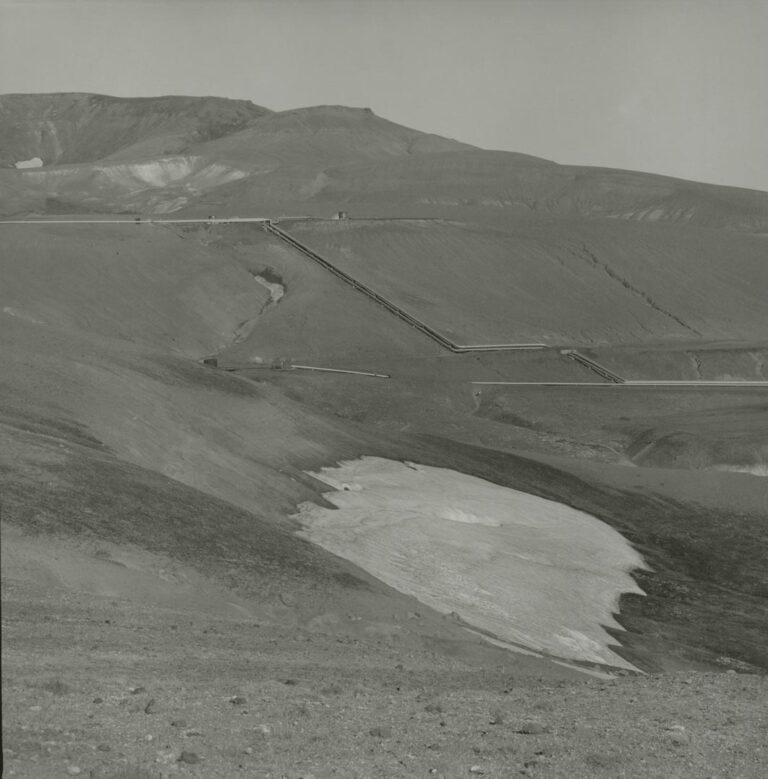
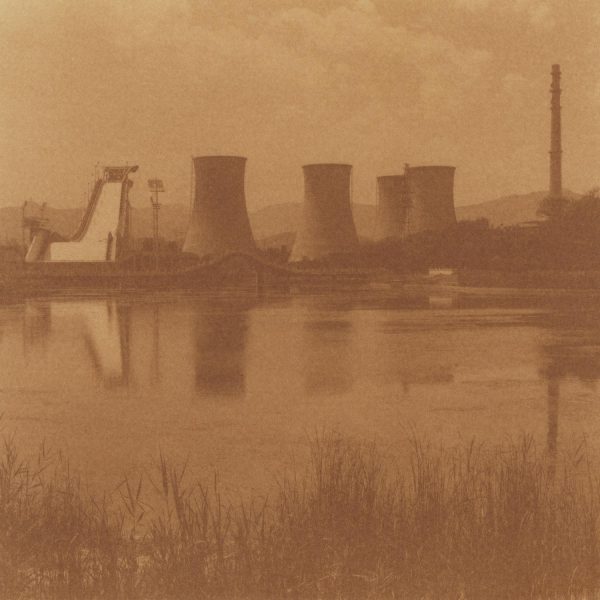
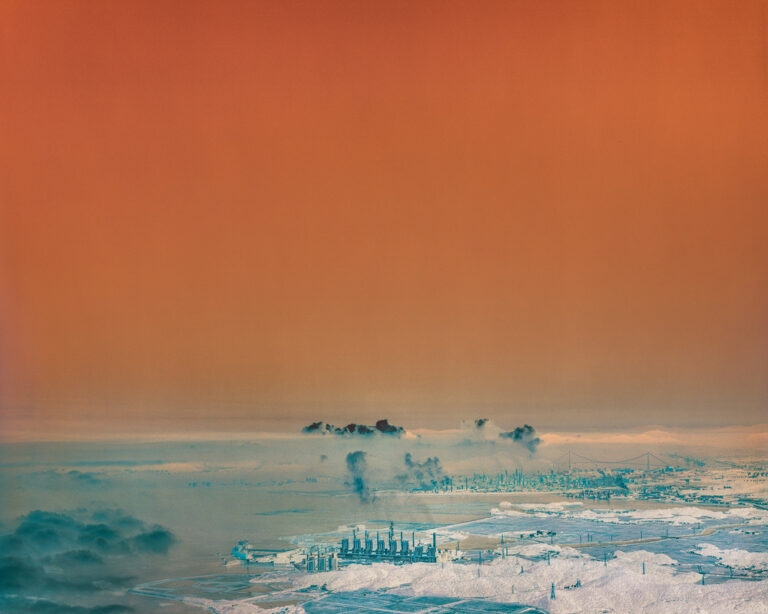
Beihua Guo - Designated Ground Zeros (2023-2026)
Beihua Guo “Designated Ground Zeros”

This year’s Grand Prix winner is Beihua Guo with his project “Designated Ground Zeros”.
He photographs sites identified as potential targets for nuclear attacks in the “Atomic Weapons Requirements Study for 1959”, compiled in 1956. His work thus revisits a threat that was omnipresent during the Cold War.

The atomic bombings of Hiroshima and Nagasaki in 1945 made the devastating consequences of these weapons clear to humanity. Today, we are witnessing a historic proliferation of armed conflicts worldwide. The world order is undergoing profound geopolitical changes, while rearmament and military deterrence are once again gaining importance.

Guo produces his prints using the uranotype process, in which uranium salts serve as the light-sensitive material. In doing so, he connects the material dimension of his images with the history of the depicted sites and their designation as targets for nuclear destruction.

His project powerfully links historical memory with the question of how we confront humanity’s enduring potential for self-destruction today.

PROJECTS OF OPEN CALL WINNERS